Children’s education and personal development are becoming more and more diverse and accessible. With the rise in popularity of online classes, many parents are wondering which is the best option for their children: online or offline classes? In this article, we’ll look at the perspectives of both options and discover which one might be more suitable for the needs and preferences of children and their families.
- The convenience and flexibility of online courses
Some of the great advantages of online personal development courses for kids are the convenience and flexibility they offer. Children can attend classes from the comfort of their own home, in a familiar environment and without having to travel to a physical location. This flexibility is especially helpful for families with busy schedules or who live in remote areas.
- Access to top resources and experts
Online courses bring accessibility to top resources and experts from around the world. Children can have the opportunity to learn from instructors with experience in specific fields, even if they are located in other cities, countries or continents. Also, online educational materials and tools are often up-to-date and interactive, providing an engaging learning experience.
- Social interaction and the development of social skills
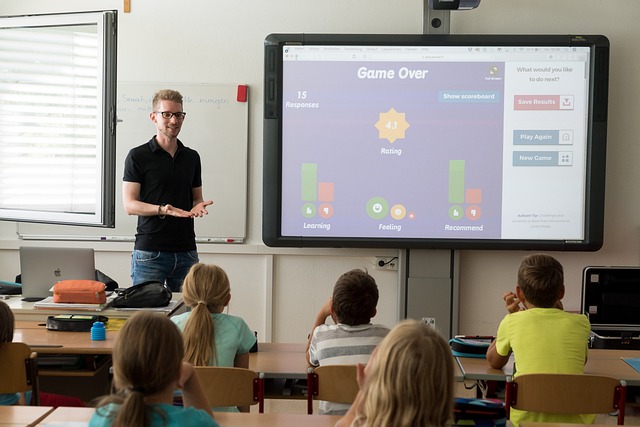
One of the critical aspects of education is social interaction and the development of social skills. Offline classes give kids the opportunity to interact directly with other kids and instructors in a physical environment. This interaction makes it possible to develop communication, collaboration and conflict resolution skills in a practical and tangible way.
- Personalized supervision and guidance
In offline courses, children receive personalized supervision and guidance from their instructors. They can receive real-time feedback and receive individualized support to develop their skills and overcome obstacles. This one-on-one attention can be especially valuable for children who need extra guidance or who are more comfortable in a traditional learning environment.
- Content variety and adaptability
Both online and offline courses offer a variety of content and programs tailored to the diverse needs and interests of children. From language courses and creative arts to science and technology, there are options for every child to explore and discover new passions and develop essential skills for the future.
- Motivation and responsibility for learning
Participating in online courses can develop important skills such as motivation and responsibility in learning. Children learn to manage their time and organize their activities in an environment where they are responsible for their own progress and results.
- Safety and security
Another important aspect of online courses is the safety and security they offer. In a controlled and monitored environment, parents can be confident that their little ones are safe and protected while participating in online educational activities.
- Cost and financial affordability
When it comes to cost, online courses can often be more affordable than offline ones. By eliminating transportation expenses and additional costs associated with attending classes at a physical location, online classes can be a more convenient option for families looking to save money without compromising the quality of their children’s education.
Both online and offline courses have distinct advantages and disadvantages and can provide valuable opportunities for children’s personal development. The choice between the two options depends on the individual preferences of each family and the specific needs of their children. Regardless of the choice made, what matters most is to ensure that every child has access to learning and development opportunities that enable them to reach their full potential in an increasingly digitized and complex world.